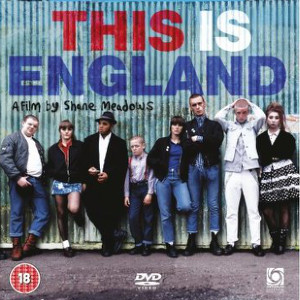
The UK film council utilises different methods to make film more accessible to a wider audience, this could be down to promotion schemes such as Orange Wednesdays, voucher schemes and discounted tickets, this allows films to be more affordable to a larger amount of people. Another way the UK film council will seek to gain a more accessible audience is through digital screen networking which allows more people to watch the film , an example of this is from the film “ this is England” which got a grant to distribute its films to a wider audience through digital screen networking , thus making it more accessible to a wider audience and cheaper for the institution.
Showing posts with label Distribution. Show all posts
Wednesday, 2 December 2009
Exhibition contrasts
A mainstream institution will aim to exhibit its films at a red carpet event, for example Leicester Square, whereas an independent film will exhibit its films at an independent cinema , the contrast between these institutions is down to the budget they set for the film and therefore mainstream films will be more widely distributed than independent films. Occasionally, ‘Indie’ films will receive a grant which allows them to more widely publicise their films: “This Is England” for example. Also the ‘Digital Screen Network’ ploughs money into digital screening so that indie companies don’t have to produce as many prints – indeed; if digital screening was always done no prints would be needed. This means the exhibition will cost a tenth of the previous price. Also target audience differs, for example an “indie” film will attract a more articulate class of people whereas a mainstream film will look to target the majority of people, this gives it a monopolistic status, meaning that it owns the larger percentage of the film industry as more people in general will look at who is in the film rather than what the film is about.
The UK film council utilises different methods to make film more accessible to a wider audience, this could be down to promotion schemes such as Orange Wednesdays, voucher schemes and discounted tickets, this allows films to be more affordable to a larger amount of people. Another way the UK film council will seek to gain a more accessible audience is through digital screen networking which allows more people to watch the film , an example of this is from the film “ this is England” which got a grant to distribute its films to a wider audience through digital screen networking , thus making it more accessible to a wider audience and cheaper for the institution.
Wednesday, 25 November 2009
New technologies and stuff
In order to keep up with the global market companies must make use of new technologies available to the public. This includes devices on technology such as mobiles, computers and television. New technologies have allowed institutions to target audiences in different ways, as they can take advantage of the technologies available. For example, in the case of advertising, online social networking sites use cookies to register keywords typed in by someone so that they can target people for advertising.In addition to this technology can be used in many different forms, aside from social networking institution may seek to stream, use podcasts, use downloads and RSS feeds the list goes on however for institution it may be seen as a cheaper, more efficient alternative as costs are low in comparison to an advert on TV for example, however high budget films will seek to exploit as many medias as possible whereas a low budget film will use technology predominantly when its is free or cheap. What are seen as an efficient use of technology are through such sites as YouTube, where lower budget films may seek to upload films on YouTube as apposed to advertising on TV essentially because institutions budgets differ.
New technology has changed out experience with movies; through such editing technology films are more capable of capturing the essence of realism. Special effects have now progressed and have achieved remarkable finishing products, in addition to this our experience in cinemas allow us to escape from reality through digital effects and sound quality , also some modern day films have now started using 3d technology predominantly for animation films it makes a film more “real” and more in contact with the audience.
Friday, 20 November 2009
Distribution: This is about keeping films 'alive' and in the public eye, as well as when released on dvd. New films are generally released on fridays, as scheduled by the Film Distributor Association. Distributors try to find 'light' weeks, where there is no competing films released and not too much competition in that week.
Logistics is also about the organisation of a film, this tends to be more important in independant films as they have less money to spend. Hollywood films tend to have about 1000 prints which are sent to different countries and distributed themselves. Independent film companies, in contrast, would have about 10 prints. Howver, grants are available, for example the film This Is England got a grant from the national lottery and so could afford to buy another 20. Most films are made in 35 mm prints, which would typically cost about 1000 pounds per film and double if the film has subtitles. Each reel lasts abut twenty minutes, and on average there are about 6 reels in a movie. Cinema companies wouldn't buy these, they would be rented from film producers. This could be described as the third link in the supply chain - distributing. Distribution is most successful when 'vertically integrated', where the three stages in the supply chain are seen as part of the same process or company.
Digital Distribution is basically using things digitally or downloading/streaming via internet. This is cheaper,as there is no need for physical manufacturing. This is better for the consumer as it is easier and cheaper, however, this is also very detrimental to film companies and therefore damaging to the very cinema experience itself.
Licensing is the process by which the distributor gets the legal right to exploit a film. U.S. films have their own distributors in the 90+ market territories throughout the world. Independent companies, again in contrast, have to sell their licenses to independent distributors.

Logistics is also about the organisation of a film, this tends to be more important in independant films as they have less money to spend. Hollywood films tend to have about 1000 prints which are sent to different countries and distributed themselves. Independent film companies, in contrast, would have about 10 prints. Howver, grants are available, for example the film This Is England got a grant from the national lottery and so could afford to buy another 20. Most films are made in 35 mm prints, which would typically cost about 1000 pounds per film and double if the film has subtitles. Each reel lasts abut twenty minutes, and on average there are about 6 reels in a movie. Cinema companies wouldn't buy these, they would be rented from film producers. This could be described as the third link in the supply chain - distributing. Distribution is most successful when 'vertically integrated', where the three stages in the supply chain are seen as part of the same process or company.
Digital Distribution is basically using things digitally or downloading/streaming via internet. This is cheaper,as there is no need for physical manufacturing. This is better for the consumer as it is easier and cheaper, however, this is also very detrimental to film companies and therefore damaging to the very cinema experience itself.
Licensing is the process by which the distributor gets the legal right to exploit a film. U.S. films have their own distributors in the 90+ market territories throughout the world. Independent companies, again in contrast, have to sell their licenses to independent distributors.
Subscribe to:
Posts (Atom)